
Vintage WW2 German NSKK Paramilitary Leather Jacket Wool Blanket Lining
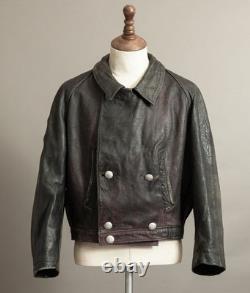
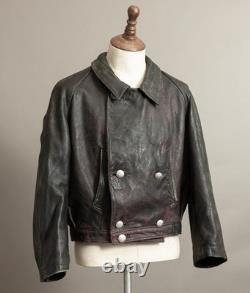
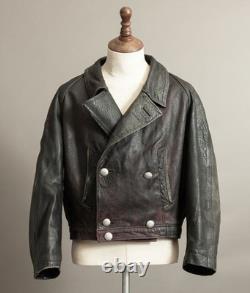
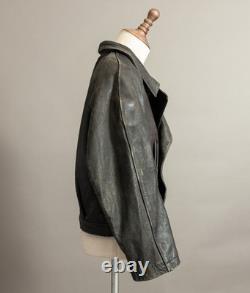
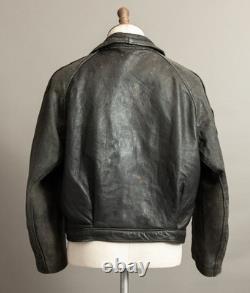
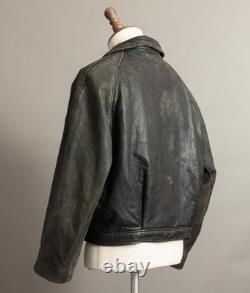
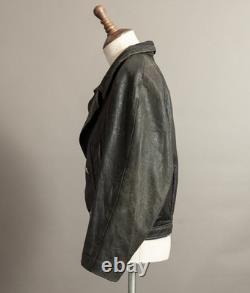
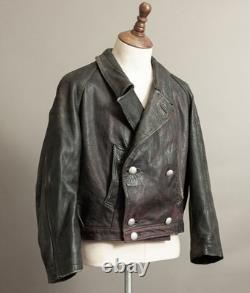
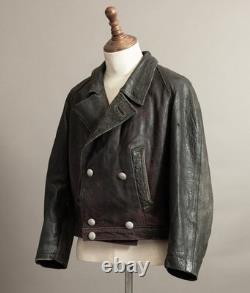
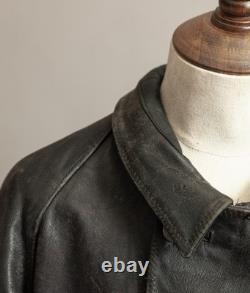
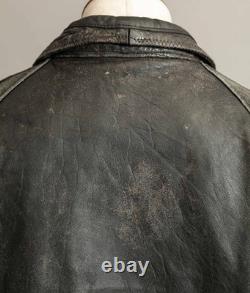
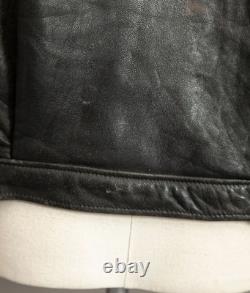
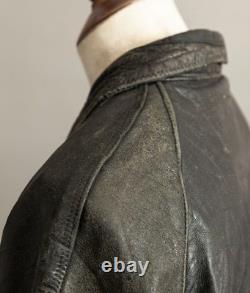
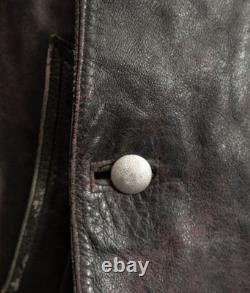
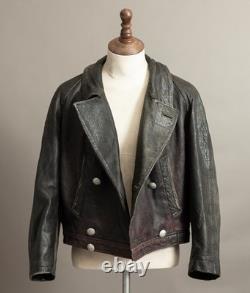
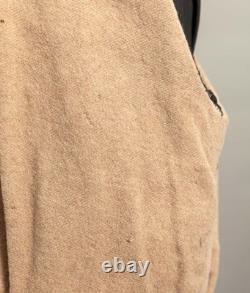
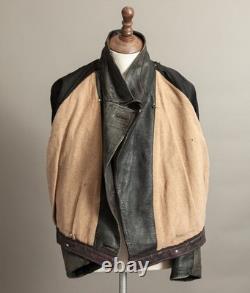

A double-breasted black leather jacket consistent with those issued to members of the NSKK, the Nationalsozialistisches Kraftfahrkorps, a paramilitary organisation responsible for training Germany's drivers and motorcyclists in the years leading into the Second World War. Their garments were built with purpose in mind. Cropped for movement, lined for warmth, and constructed to withstand long hours in exposed conditions. This example carries those details clearly and sits comfortably in the late 1930s to early 1940s period.
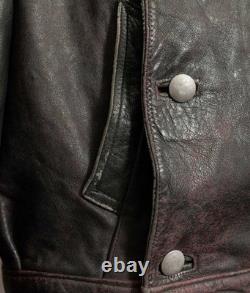
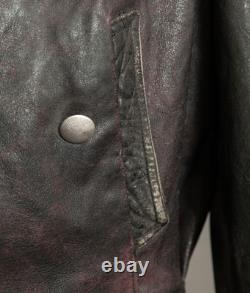
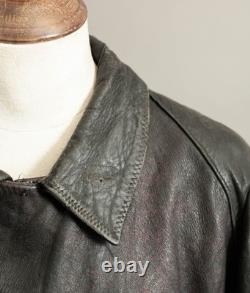
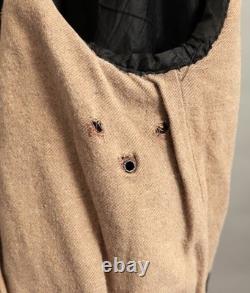
The double-breasted front closes on six plain domed silver buttons with a fine granular surface. Both collar points retain small punched insignia holes where rank or unit badges would once have been fitted and later removed. Three ventilation grommets sit beneath each arm, their metal eyelets intact and visible through the lining, allowing airflow when worn in use. The wide lapels fold back to reveal a buttonhole tab on the facing. Angled slash pockets run across the chest, finished with hand-whipped edge stitching, a detail repeated along the collar and throughout key seams.
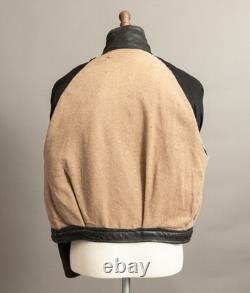
The shoulder construction follows a raglan cut, leading into a raised central back seam, also hand-whipped along its full length. No label is present, which is consistent with garments of this type and period. Inside, the jacket is lined throughout in a heavy camel wool blanket fabric, comparable to that used in German military outerwear of the era, with black taffeta lining to the sleeves. It is a practical interior, designed for warmth during extended use in open vehicles and on motorcycles. The leather itself is fine-grained and lightweight, with a tight surface texture. Originally dyed black over a wine-red base, decades of wear have drawn that underlying tone back through the surface.Across the lower front, hem and lapels, the colour shifts between deep black and burgundy depending on the light, while the back panel retains more of its original depth. The shoulders and sleeve seams show a dry, chalked patina where the top dye has worn furthest. This is how period-dyed leather presents after long use.
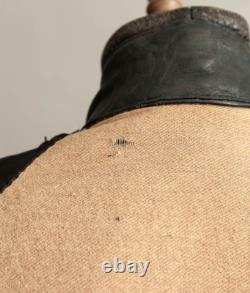
There is one button absent from the lower front. The interior wool lining shows small holes consistent with age and use, all clearly shown. These elements have been left as found. The structure remains sound, with strong leather and secure seams throughout. All remaining buttons and hardware are functional.
The jacket has been cleaned in house and lightly conditioned to support the leather while preserving its original surface and character. Late 1930s to early 1940s German paramilitary leather jacket, most consistent with NSKK issue. Fine-grained black leather, dyed over wine-red base. Double-breasted front with six domed silver buttons. Wide lapels with buttonhole tab to facing. Angled chest pockets with hand-whipped edge stitching.Raglan shoulder construction with raised central back seam. Collar insignia holes present, insignia removed. Three underarm ventilation grommets to each side. Heavy camel wool blanket body lining. Small holes to interior lining consistent with age, as shown.
No label present, consistent with period examples. One button missing from lower front. Deep black with wine-red undertone patina. Cleaned and lightly conditioned in house.
Chest (armpit to armpit): 24.5. Shoulders (seam to seam): 21.5.
Sleeve length (underarm to cuff): 16. Raglan sleeve length (neck to cuff): 30. Back length (collar seam to hem): 23. Best suited to a 46 chest. Please compare against the measurements above before purchasing. A workshop in the South Pennines specialising in restored vintage leather garments.